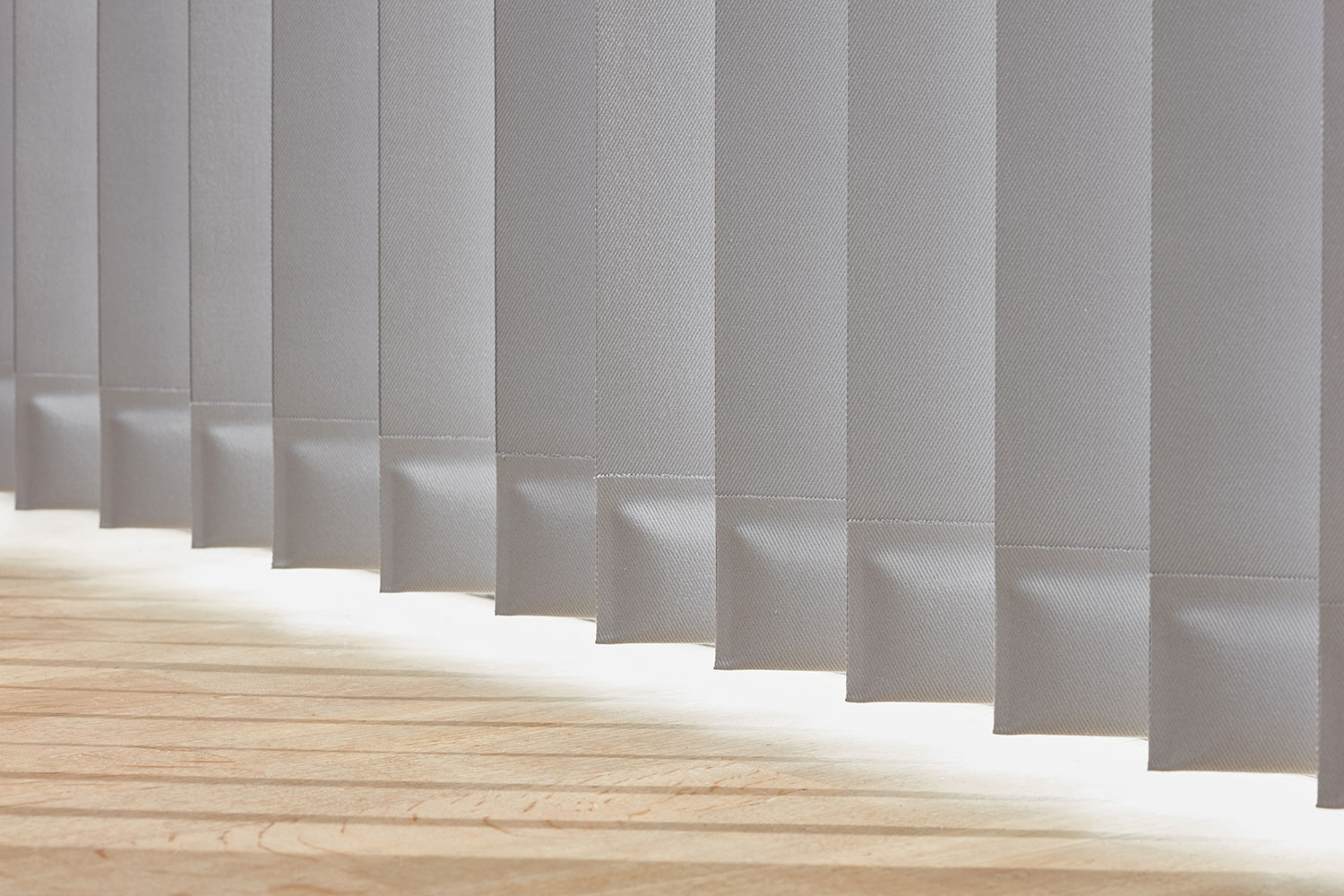
The Local Smart Guide to Perfect Blinds
Wiki Article
The Measure Of Success Is: Perfect Blinds Are Possible With A Professional's Touch
In the case of Australian home improvements, buying new blinds can be a visually stimulating experience. You are captivated by the fabric swatches and are drawn by the sleek lines of a roll shade or the delicate folds of a Roman shade. Color, style as well as light control and other factors are all important. But, the most important factor that determines whether your new blinds are a long-lasting asset or a costly issue is hidden at the window. It's the precision of the measurement, and the experience of the installation. It's not an option to get a an expert in measuring and installing windows that are unique and irregular that are found in Australian homes. It's a necessity.
The temptation to DIY the measurements is understandable, fueled by the need to cut costs as well as an assumption that a tape measure doesn't lie. The reality of window openings is very different. There are only a handful of windows that are perfectly straight, square and uniform. Every home is unique in its architectural nuances regardless of whether it's a beautiful weatherboard house, a sleek concrete condo or brick-veneer suburban residence. Window frames can be off from top to bottom by several millimetres. The reveal on one side might be higher than the other. The architrave might be bent in the center. This isn't an issue as it is the normal character of a structure that has sunk and endured our climate. Professional installers don't only take measurements of the width and height of windows; they also diagnose it. They assess the depth of the window and verify the squareness of various places. This diagnostic process is what transforms the raw data into a blueprint that guarantees a perfect end result.
The two most fundamental choices of mounting are inside mount (recess-fit) or outside mount (face-fit).
The blind can be hung inside, and neatly within the recess of the window. This creates a an unified, seamless appearance. The most challenging is also the most effective. The recess needs to be deep and square enough for the blinds to work. Professionals will measure the width from the top, middle and bottom of the recess using the smallest measurement in order to ensure that the blind isn't bound. They determine the heights of the left, right and centre by using the most extensive measurement. To make sure that the blind runs smoothly, they deduct manufacturing tolerances - often only tiny microns to account for any vibrations. If this calculation is incorrect, even by 5mm, a blind can be difficult to install and could be smashed and scratched with every use.
The outside mount is perfect to maximize light blocking and making windows appear bigger. In this situation the ability of the professional lies in proportion and position. They calculate the length they need to extend the headrails for blinds that extend beyond the window's frame to prevent light gaps and the height it must be set to achieve the ideal aesthetic balance. The blind will appear more logical and integrated with the design, rather than an afterthought.
The difficulty of non-standard windows is increasing. This is evident by the increasing popularity of corner and angled windows that are typical of Australian design. These aren't tasks that can be done with the standard 3 meter tape measurement. These jobs require triangulation as well as angle finders, as well as an understanding of the blind's mechanism. A professional will provide designs and special equipment to translate these complicated shapes into a specification that can be manufactured. If it's bay windows, they don't simply measure the three separate windows. They calculate the precise angles of intersecting so that blinds are positioned in their bays without glaring overlaps or gaps.
After the installation comes the actual test. A van is used by the professional but not a car. Their tool kit includes high-quality drills, various wall anchors that work with different substrates (brick, plasterboard, concrete, steel stud) as well as spirit levels, laser levels and impact drivers. They know that drilling through the mortar of the brick joint is different from hitting the brick itself. They are able to identify the studs in the plasterboard wall, or employ an extremely strong toggle bolt to provide a secure fix on hollow walls. This is crucial to ensure safety, particularly with large, heavy blinds or motorized blinds. Unsafe blinds fixed to the plaster using insufficient plugs or poorly installed blinds can be a cause of accidents waiting to happen. They also handle the final adjustments--trimming cords to safe lengths, installing mandatory child-safety devices, and calibrating the tension on spring-assisted rollers--so the blind operates with a satisfying, reliable action from day one.
The cost of professional installation is, in truth, an insurance policy. It guarantees correct function as well as protects your product's warranty (as many warranties are void due to DIY installation), and saves you from the catastrophic expense of a custom-made blind that doesn't meet your needs. This saves you time and your sanity. It is not worth the hassle of a return process and the delay that you'll experience in the event of a DIY measurement error.
If you select a reliable Australian window blinds business, their process should inspire trust. The company must insist on an inspection of the premises in the event that they are providing quotes for windows that are not standard or a whole home. The consultant must spend more than the standard amount of time flipping through books and should inspect your windows. The consultant should clearly provide the rationale behind their measurements and fit recommendations. This level of professionalism is the mark of a company that is able to stand behind its product.
The ultimate goal is an amalgamation of stunning design and invisibly crafted engineering. The measurement is an exact plan. The installation process is a meticulous construction. In an era of countless alternatives available on the market, a specialist service's true worth lies in its technical knowledge. They won't simply sell blinds. Instead, they will deliver a tailored solution for the specifics of your Australian home. They guarantee that what you saw in the showroom will last for a long time. A perfect fitting, a flawless operation system, and a result that looks as if it were always there. This is a sign of a quality job. Take a look at the recommended blinds for more recommendations including blinds manufacturing, window shades online, diy shutter, order blinds, blinds direct blinds, wholesale blinds direct, the window shade, custom shutters online, blinds custom, blinds 101 and more.
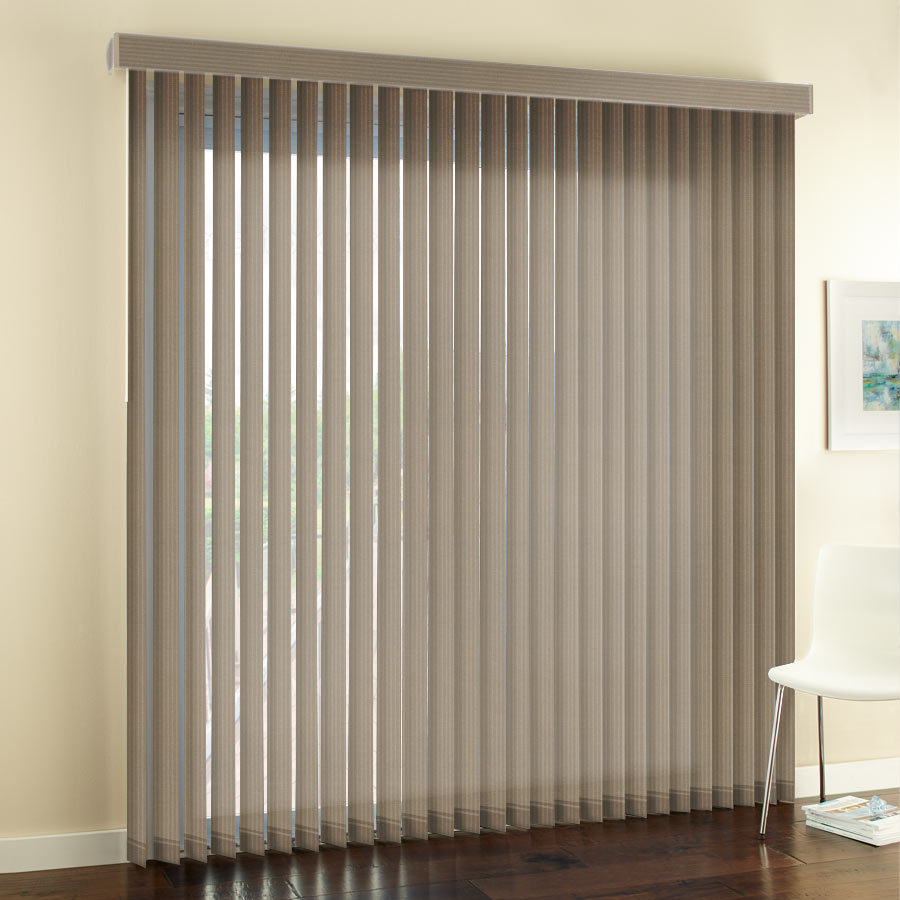
The Invisible Shield - Why Australian Standards Are The Best Buying Guide
It's more than just an aesthetic choice when you choose blinds for your Australian home. However, interspersed into this decision are the laws of engineering, and a commitment to safety you likely never will ever. This hidden framework is the collection of Australian Standards--mandatory and voluntary regulations that govern every aspect of tensile power of a cord, to the fire resistance of fabrics. For those who purchase products, compliance isn't only a formality. It is a proof that your product has been designed and is checked to meet the needs of society and the environment. This is the distinction that differentiates an item from one that is only accessible.
The most critical of these is the compulsory standard for corded window coverings, enforced by the Australian Competition and Consumer Commission (ACCC). This is a law and not a standard. Born from tragic incidents the purpose of this law is clear that is to minimize the risk of child strangulation. It is mandatory that every new window blind made of cords be fitted with specific security devices. The standard stipulates that tensioners should be permanently connected to the wall in order to ensure that the cords remain taut, short and tight. Also, it includes breakaway devices that release under pressure. Crucially, the standard details how a product must be installed to be compliant--instructions that must be provided with the product. A supplier who offers a corded shade with no integrated features, or recommends that you fit the features later on is not offering a compliant item. Motorised or cordless blinds are more secure for consumers and will meet the requirements of the standard's ultimate objective.
In addition to this safety requirement, there are numerous Australian and New Zealand Standards that influence the quality and performance of your product. The use of AS/NZS standards for reputable companies isn't mandatory, but their use signifies that the product is constructed in accordance with a specific standard. AS/NZS-60335.2.97 the safety standards for household use standards for blinds - is a crucial one. This standard outlines specifications for durability as much as safety and operation. It establishes tests to determine the force needed for a control to be operated, ensuring it is not so tight it strains the components or is so loose that it performs in a way that is not predictable. It tests the durability and strength of the adhesive tapes and ladders employed in vertical and venetian blinds. A product engineered to meet this standard has been tested in simulations of years of operation in a laboratory. It is as a measure of the resilience of your home.
AS/NZS 1530.3, for example, is a standard for fire resistance. Building Code of Australia (BCA) could require that certain fire hazards should be considered in buildings that are multi-residential such as aged care, apartments, hotels. In these situations, blinds will need to be constructed from materials that aren't flammable or pass strict tests for fire propagation and smoke. A blind that is certified as fire safety standard signifies a superior-quality fabric that is typically less prone to heat and has a lesser chance of spreading rapidly flames, and provides an additional layer of security.
Australian standards for material performance are of equally important. Standards exist to test UV degradation and colourfastness, which test how well materials can withstand our intense sunlight. Fabrics that are certified to meet the relevant UV standards has been shown to withstand physical and colour degradation for a specified period under simulated Australian conditions. When buying sunroom blinds or outdoor blinds, be sure to search for AS/NZS4388 that deals with outdoor fabric performance. Standards around anodising, powder coating and aluminium parts are crucial particularly in coastal areas. They ensure that finishes resist corrosion from salt spray. The goal of compliance is not to safeguard against injuries, but to protect from premature failure. It's an assurance that the product will function and look as intended years after installation.
How then do you, as the buyer verify this invisible compliance. As an individual buyer, you should move away from passive acceptance, and instead make an active inquiry. In direct contact with suppliers, ask the following questions: "Can we confirm this product will meet the ACCC corded window blind standard and that its installation will also be in compliance?" "Does it have an official test certificate to the relevant Australian Standard on UV stability/fire performance/coastal durability?" Reputable providers will not be affronted at these kinds of inquiries. They will take them as a sign of an informed purchaser. They must be able to give proof of purchase or manufacturer's claims of conformity. Be cautious about the products you purchase on international online marketplaces that do not refer to Australian Standards. They are designed to serve a general international market, and do not reflect the Australian environmental and regulatory pressures.
Due diligence extends far beyond the front door. Unconforming products represent a major safety risk and may make your homeowners insurance invalid if the product is found to be the cause of an accident. These products also fail earlier than you expected and leave the homeowner without recourse in case you have a warranty claim. Making sure you choose a product that is compliant and installing it by an experienced local company is a great way to lower the risk. This will ensure that your purchase will not compromise the safety or security of your home, but rather contribute to it.
Australian Standards represent a collective commitment to safety and quality. They're the culmination of the expertise and knowledge of engineers, industry experts and safety experts who have gathered to define what it means for a house in Australia to be "fit-for-purpose". When you select an approved product, you're not purchasing a blind. When you purchase a compliant product, you are not just buying blinds. Conformity to Australian Standards, in a market flooded by choices, is the best way to differentiate between market-ready and ready-to-use products. It's the invisible shield which lets you relax and enjoy the views.